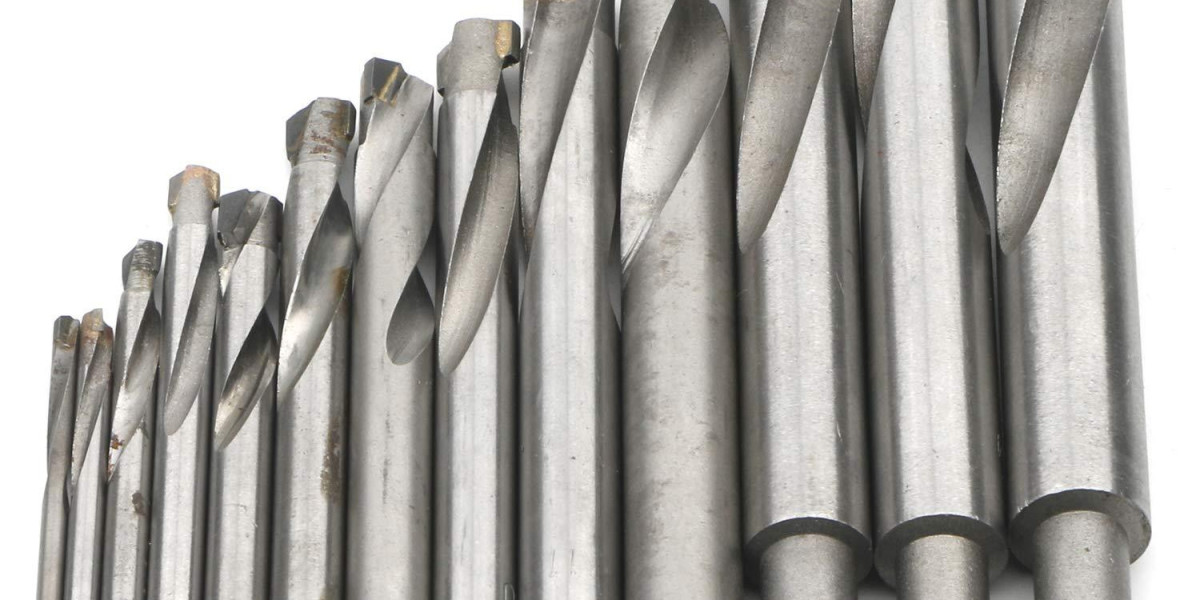

In many workshops, tool choice quietly shapes the entire working rhythm. The Fangda Drill Bits Metal series from fangda-tools is often considered not just an accessory but part of how craftsmen organize their projects. Whether preparing materials, aligning surfaces, or finishing assembly work, a dependable cutting edge supports concentration. When the right bit meets the material smoothly, attention shifts away from the tool itself and toward the accuracy of the task, allowing the maker to work with a steadier pace.
Metalworking requires patience. Surfaces vary in hardness, thickness, and finish, and each piece demands a measured approach. A suitable drilling bit helps guide the operator's hand, reducing hesitation at the starting point. Instead of struggling to keep the tool centered, the worker can focus on alignment and pressure. This calm beginning often determines how the rest of the process unfolds.
Workshop efficiency is rarely about speed alone. Organization matters just as much. Craftsmen frequently prepare several components before assembly, and consistent drilling helps parts fit naturally together. When holes align properly, adjustments become minimal and finishing steps proceed without interruption. A steady routine grows from small consistencies repeated throughout the day.
Handling comfort is another consideration. A well-balanced bit interacts with the machine in a predictable way, making it easier to maintain direction. The operator senses how the tool engages the material and adjusts pressure gradually. This awareness improves confidence, especially during longer sessions. Instead of constant correction, movements feel controlled and deliberate.
Material variety presents daily challenges. Some pieces are thin sheets requiring careful entry, while others are thicker sections needing gradual penetration. A thoughtfully designed bit allows transitions between these situations without requiring repeated setup changes. The worker can move from one task to another with fewer pauses, preserving workflow continuity.
Maintenance habits also benefit from consistent tools. When a bit behaves predictably, cleaning and storage become routine rather than troubleshooting. After a session, the craftsman wipes surfaces, returns tools to their designated places, and prepares for the next project. A simple order in the workspace supports a clearer mind and more focused craftsmanship.
Precision does not always come from complex machinery. Often it begins with reliable preparation. Marking a point, positioning the drill, and applying steady pressure form a sequence repeated many times. Each successful repetition builds familiarity. Over time, the workshop becomes a place where hands and tools move in quiet coordination.
Collaboration in shared workspaces also improves with predictable tools. When multiple users rely on the same equipment, consistent results prevent confusion. One worker can continue another's project without needing lengthy explanation. The tools themselves communicate expectations through their behavior, creating a shared working language.
Imagine finishing a project and noticing how naturally each piece aligns, as if the materials understood your intention. If that idea feels worth a moment of curiosity, follow it gently to https://www.fangda-tools.com/product/ . The next click may open a doorway to a workshop rhythm waiting patiently to be experienced.